
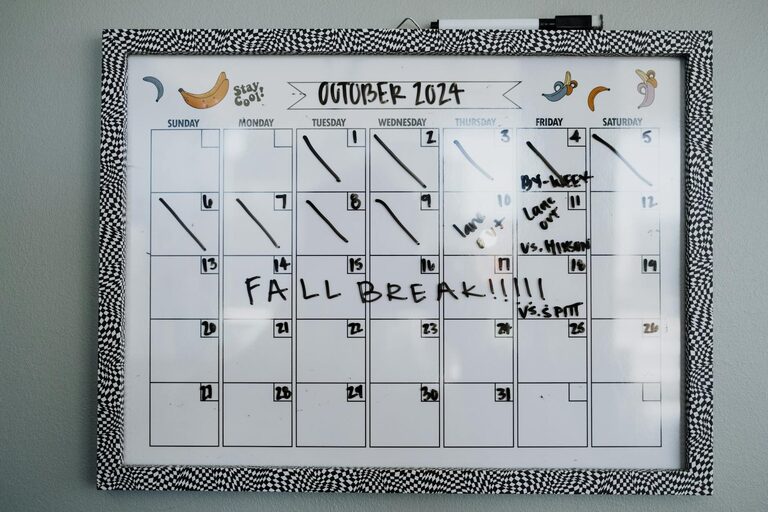
Setting up a family command center is a practical way to streamline your household’s daily routines and keep everyone on the same page. Whether you have young children, teens, or a busy mix of activities, having a central location for important dates, to-dos, and information helps reduce stress and improve communication.
In this post, we’ll guide you through the steps to create an effective family command center tailored to your home’s needs.
What is a Family Command Center?
A family command center is a dedicated space in your home designed to organize schedules, reminders, mail, and important information. Think of it as the brain of your household — a hub where everyone can check updates, plan ahead, and stay connected.
The command center can be as simple as a bulletin board on the wall or as elaborate as a fully stocked station with calendars, folders, and charging docks. The goal is functionality and ease of use for all family members.
Benefits of a Family Command Center
– Improved Communication: Everyone knows what’s happening and when.
– Reduced Stress: No more last-minute scrambling or misplaced notes.
– Enhanced Time Management: Keep track of activities, appointments, and deadlines.
– Centralized Information: Important papers, coupons, menus, and shopping lists in one place.
Choosing the Right Spot for Your Command Center
Location is key to ensuring your family actually uses the command center. Look for a high-traffic area visible to everyone, such as:
– Kitchen wall near the entrance
– Hallway or mudroom
– Near the family’s main workspace or desk
Make sure the space has enough room to accommodate your organizational tools without cluttering.
Essential Components of a Family Command Center
While every family’s needs differ, here are some commonly included elements to consider:
1. Calendar
A large wall calendar or printed monthly planner is crucial for tracking appointments, school events, sports practices, and social activities. Magnetic or dry-erase calendars offer flexibility to update schedules quickly.
2. Meal Planner
Plan weekly meals and grocery lists to save time and reduce last-minute food decisions. Dry-erase boards or printable planners work well here.
3. Message Board
Use corkboards, magnetic boards, or whiteboards to post reminders, to-do lists, or notes for family members. Color-coded notes or markers help differentiate between people or tasks.
4. Mail Station
Sort incoming and outgoing mail easily by adding a mail organizer or baskets for bills, invitations, and other documents that require attention.
5. Key Hooks & Charging Station
Designate hooks for keys, backpacks, and masks to avoid lost items. Including a charging station for devices adds convenience, especially in one central area.
6. School & Activity Bins
Set up bins or folders labeled for each child and family member to keep forms, homework, permission slips, and schedules organized.
7. Important Contacts & Info
Keep emergency numbers, pediatrician info, and household passwords accessible with a printed list or laminated sheet.
How to Set Up Your Family Command Center: Step-by-Step
Step 1: Inventory and Plan
Start by listing the information and tasks your family regularly manages. Think about what would help everyone stay organized — calendars, chore charts, reminders, or meal planning.
Measure the available wall or counter space to know how much room you have for your center. Sketch a rough layout to plan where each item will go.
Step 2: Gather Supplies
Based on your components, collect:
– Wall calendar or planner
– Corkboard, magnetic board, or whiteboard
– Baskets, bins, or folders for papers
– Hooks or small shelves for keys and accessories
– Markers, pens, and sticky notes
– Labels or tags for organization
Consider repurposing items you already have to keep costs low.
Step 3: Assemble and Install
Mount your boards and organizers securely on the wall. Arrange bins or trays on nearby shelves or counters. Make hooks easily reachable for all family members.
For easy updates, keep pens, markers, and sticky notes nearby in a small container or cup.
Step 4: Fill and Organize
Add your family’s recurring events to the calendar. Set up mail and school bins with current items. Post emergency contact info and reminders on the message board.
Walk through the space with your family and explain how to use each section.
Step 5: Maintain Your Command Center
Schedule a weekly or biweekly family check-in to update calendars, meal plans, and notes. Encourage everyone to check the center regularly to stay informed.
Tips for Success
– Keep it Visible: Place the command center where everyone passes by daily.
– Make It Fun: Use colorful markers and magnets to engage kids.
– Customize: Tailor the setup to your family’s lifestyle and preferences.
– Stay Flexible: Be willing to adjust as needs change.
– Limit Clutter: Regularly clear out outdated papers and notes.
Conclusion
A family command center is a simple yet powerful tool to keep your household organized and running smoothly. With a little planning and creativity, you can design a system that fits your home and makes day-to-day life easier for everyone.
Try setting up your command center today and experience the benefits of better communication and less stress in your busy family life.