
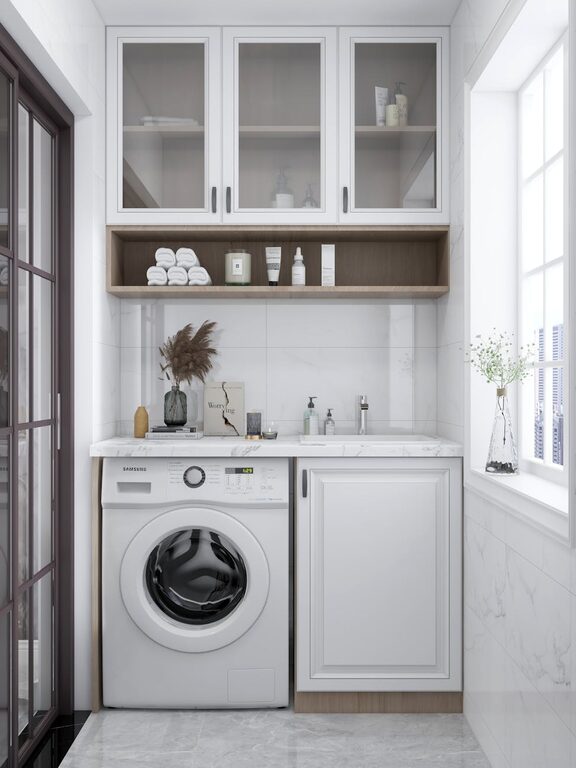
Creating a peaceful and inviting atmosphere in your home often starts with the colors you choose. Calm colors can make a big difference in setting a relaxing tone, reducing stress, and making your living space a true sanctuary. Whether you’re redecorating a single room or refreshing your entire house, choosing the right calm colors is key.
In this post, we’ll share helpful tips on selecting calm colors for your home. From understanding color psychology to practical advice on applying colors, you’ll learn how to create an appealing and restful environment.
Why Choose Calm Colors?
Calm colors—often soft, muted tones—have a soothing effect on the mind and body. They tend to reduce tension, improve mood, and encourage relaxation. These colors are especially effective in spaces like bedrooms, living rooms, and bathrooms where comfort is a priority.
Some benefits of using calm colors include:
– Making smaller rooms feel more spacious
– Promoting better sleep
– Creating a welcoming atmosphere for guests
– Reducing visual clutter by using soft hues
Popular Calm Colors and Their Effects
Before choosing your color palette, it helps to understand which colors naturally evoke calmness.
Blues
Often associated with the sky and the sea, blue hues are known for their calming properties. Light blues can make a room feel airy and open, while muted blues add subtle depth without overwhelming the space.
Greens
Green symbolizes nature and balance. Soft greens, such as sage or mint, bring a refreshing, peaceful vibe indoors and work well in almost any room.
Neutrals
Warm neutrals like beige, taupe, and soft grays create a cozy yet tranquil environment. These colors serve as a versatile base that pairs well with color accents if you want to add interest later.
Lavenders and Soft Purples
Light purple shades inspire creativity and calmness without being overly stimulating. Lavender tones are perfect for bedrooms and quiet spaces.
Tips for Choosing Calm Colors
1. Consider the Room’s Purpose
Start by thinking about how you’ll use the room. Bedrooms benefit from cooler tones like blues and greens to promote relaxation. Living rooms might use warmer neutrals to foster a cozy atmosphere. Kitchens and offices may handle soft yellows or muted greens to boost energy while staying calm.
2. Test Colors in Natural Light
Color appears different depending on lighting. Try out paint samples on your walls and observe them at various times of day to see how natural light affects the color. This step helps avoid surprises once the whole room is painted.
3. Balance with Neutrals
Pair your chosen calm color with complementary neutrals to keep the look balanced. For example, soft blue walls with white or cream trim create contrast without reducing the calming effect.
4. Use Monochromatic Schemes
Selecting varying shades of the same color creates a cohesive, peaceful feeling. For instance, combining pale green walls with deeper green accents in pillows or rugs adds interest while preserving tranquility.
5. Think About Finish and Texture
Colors can look different depending on the finish you choose. Matte or eggshell finishes soften the appearance and often reduce glare, enhancing the calming vibe. Texture also plays a role—natural materials like wood or linen can complement calm colors nicely.
6. Avoid Overly Bright or Saturated Colors
Very bright or highly saturated colors can be stimulating or overwhelming. For a calm atmosphere, choose colors with lower saturation and softer tones.
7. Use Accent Colors Wisely
Introduce small amounts of complementary accent colors in accessories or artwork. Choose muted tones like dusty pink, soft gold, or gentle earth tones to maintain calmness, rather than bold or neon accents.
Applying Calm Colors in Your Home
Walls and Ceilings
Paint is the most obvious way to bring calm colors into a room. Soft, neutral walls paired with a slightly lighter ceiling color enhance spaciousness and gentle contrast.
Furniture and Upholstery
Consider calm colors in sofas, chairs, or cushions. Soft blue or green upholstery adds comfort but still feels restful.
Fabrics and Accessories
Curtains, rugs, blankets, and pillows are easy ways to add calming hues without the commitment of paint. Mix textures and layers for an inviting look.
Artwork and Decor
Choose art pieces that use tranquil color palettes to complement your walls and furnishings.
Final Thoughts
Choosing calm colors is a wonderful way to transform your home into a peaceful retreat. The key is to focus on soft, muted tones that suit your space and style. Test your colors, consider lighting, and create balance with neutrals to achieve the ideal calming environment.
Remember, even small changes—like repainting a single wall or adding a few tranquil accessories—can make a big difference in how relaxed you feel. Take your time and enjoy the process of creating a home that feels just right for you.